Clean technology is critical to meeting some of the world’s most pressing challenges – and the Tāmaki Makaurau Auckland cleantech sector is making an increasingly important contribution.
Projected to reach NZ$1 trillion annually by 20301, the global cleantech market presents vast commercial and impact opportunities. With its values-driven innovation culture, connected ecosystem and a highly skilled, flexible workforce supported by world-class research institutions, Auckland is well-positioned to become a key player.
To meet global and national sustainability targets, the world is seeking innovative cleantech solutions, and Aotearoa New Zealand has an impressive pedigree in providing them.
New Zealand’s cleantech story started with government-led renewable projects in the 1950s and 1960s. It went on to produce global successes like LanzaTech (carbon recycling) and Mint Innovation (recovering precious metals from waste), both founded in Auckland. Today, early-stage firms such as OpenStar Technologies (nuclear fusion energy), Nilo (plastic waste recycling) and Hydroxsys (wastewater recovery and recycling) show how quickly the sector is growing.
A foundation for growth
The New Zealand Cleantech Report 2024 lists more than 130 companies in the sector, which have attracted more than half a billion dollars in private investment to date. The sector currently employs about 1200 people, both in New Zealand and overseas. Between 2023 and 2024, revenue from the sector grew by 29 per cent.2
Auckland is the centre of activity and is home to almost half the companies surveyed in the report, including two of the top 25 most promising cleantech companies in the Asia Pacific region, named in the latest annual APAC Cleantech25 list.
There are good reasons for this success. As well as being New Zealand’s economic and business epicentre, Auckland has a well-established and supportive innovation and incubator ecosystem. It is home to world-class research institutes, a diverse, multicultural population and a highly skilled workforce, and enjoys easy access to international markets.
Led by values
The New Zealand cleantech sector is underpinned by a collective commitment to sustainability inspired by the Māori worldview (te ao Māori). Māori cultural values such as kaitiakitanga (guardianship) reflect an intergenerational responsibility to care for the natural environment and protect resources for future generations, which aligns closely with the cleantech ethos. It’s also reflected in a small but growing number of Māori cleantech businesses such as OpenStar Technologies, NZ Bio Forestry and Taurus Concrete (decarbonising concrete).
The combination of a values-led commitment to cleantech solutions and Auckland’s track record in developing innovative, high-tech responses to real-world problems makes for a compelling proposition.

Powered by people
Innovation thrives on diversity – and Auckland is home to one of the most diverse populations of any city in the world. Crucially for high-tech sectors, it’s also home to a highly skilled, highly educated workforce. One-third of employees in deep tech startups, associated with New Zealand research centre of excellence the MacDiarmid Institute, are trained to PhD level and beyond.3
Thirty per cent of the cleantech companies surveyed in the New Zealand Cleantech Report 2024 identified aspects of local talent that gave them a competitive edge. For example, Kiwis have almost legendary versatility and practical problem-solving abilities, compared with the narrow individual specialisation more common overseas.
Auckland’s lifestyle, access to nature, ease of getting around and more relaxed feel are also a magnet for international talent seeking opportunities in a more liveable and family-friendly city.
A thriving ecosystem
New Zealand’s ambition to be a global centre of cleantech excellence is supported by a collaborative ecosystem.
The New Zealand Cleantech Mission, a partnership between government agencies, Auckland Council, University of Auckland and New Zealand research institutions, was established to develop a roadmap for the sector. It works to connect cleantech innovators with each other and with local and international investors, and create cleantech clusters to promote collaboration amongst innovators.
Auckland Council's collaborative climate innovation hub Climate Connect Aotearoa brings together business, government, Māori, academia, funders, investors and climate innovators to build partnerships and deliver practical climate solutions. One example is its climate-innovation ecosystem map, which ‘joins the dots’ across New Zealand’s climate-innovation landscape.
Auckland is home to two of New Zealand’s leading universities, Waipapa Taumata Rau University of Auckland and Te Wānanga Aronui o Tāmaki Makau Rau – Auckland University of Technology (AUT). Both universities have world-class research and innovation arms that have played a major role in the development of many New Zealand cleantech businesses.
Cleantech entrepreneurs have access to a range of public and private funding sources, including venture funding, such as the Climate Venture Capital Fund and Icehouse Ventures Sustainable Technology Fund; government funding, such as innovation programmes by the Ministry of Business, Innovation and Employment (MBIE), Te Pūtea Whakamauru Para (Waste Minimisation Fund) and Te Tahua Pūtea mō te Kirihou Auaha (Plastics Innovation Fund) from the Ministry for the Environment. There are also public-private partnerships, such as AgriZero, which is fostering investment to help farmers reduce emissions while maintaining profitability and productivity.
New Zealand also has a straightforward and business-friendly regulatory framework and a global reputation as a great place to do business with an open, transparent and stable political and economic environment.
Auckland’s established innovation networks, collaborative culture, values-led talent and access to international markets underpin its unique potential as a cleantech centre. And Auckland is building a growing reputation as a city where clean technology is built to serve the world – and the world increasingly needs what it has to offer.

A Cleantech success story: Hydroxsys
Auckland-based company Hydroxsys has a simple mission: to secure the future of water. Its revolutionary membrane technology helps water-intensive industries reduce environmental impact by recovering up to 98 per cent of water and other resources from industrial waste streams, while saving cost and enhancing profit in the process.
The company started from a simple prototype more than a decade ago, before the technology was developed and tested over a six-year period. After exploring a range of applications, the company’s focus is now firmly on the food industry, explains board chair Tony Bishop.
“We’ve developed proprietary membranes, which are food safe, robust and cost effective. It is now a proven technology that is getting significant traction with large corporates. For example, beverage plants, dairy factories, meat processing plants, bakeries and ingredient manufacturers. The technology gives them the ability to recover chemicals from wastewater, reduce energy costs through lower-pressure filtration, recycle water for reuse and meet their discharge obligations.”
General Manager R&D/Operations Boaz Habib says Hydroxsys has a global focus. “International customers are interested in importing technology from New Zealand, especially given New Zealand’s reputation for high-tech applications in industries like dairy. Real-life results and case studies have also helped us build trust.
“Australia is a strong market for us and we’re in the process of appointing distributors there. The technology has wide applicability across many sectors and geographies – the key is finding the right local partners.”
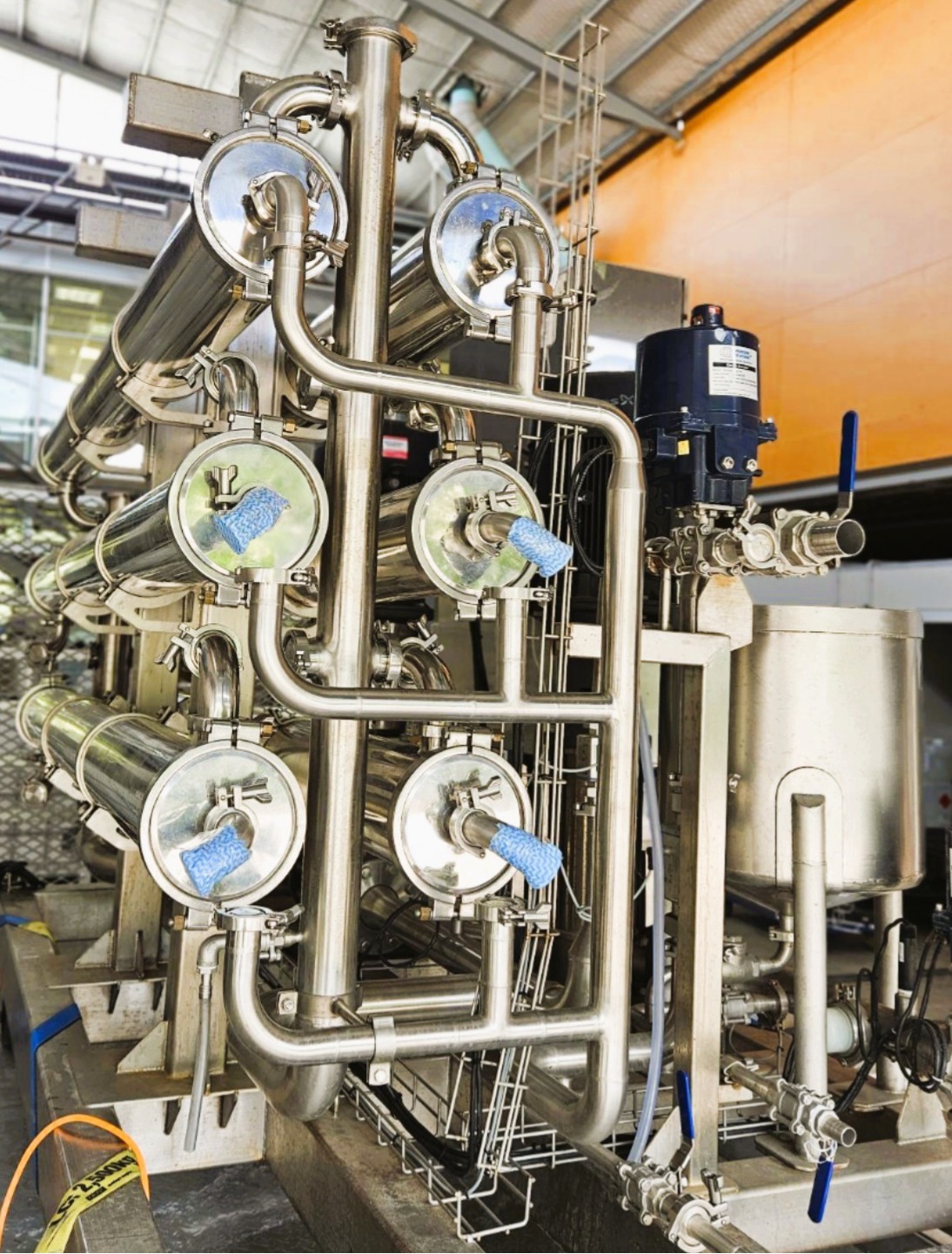
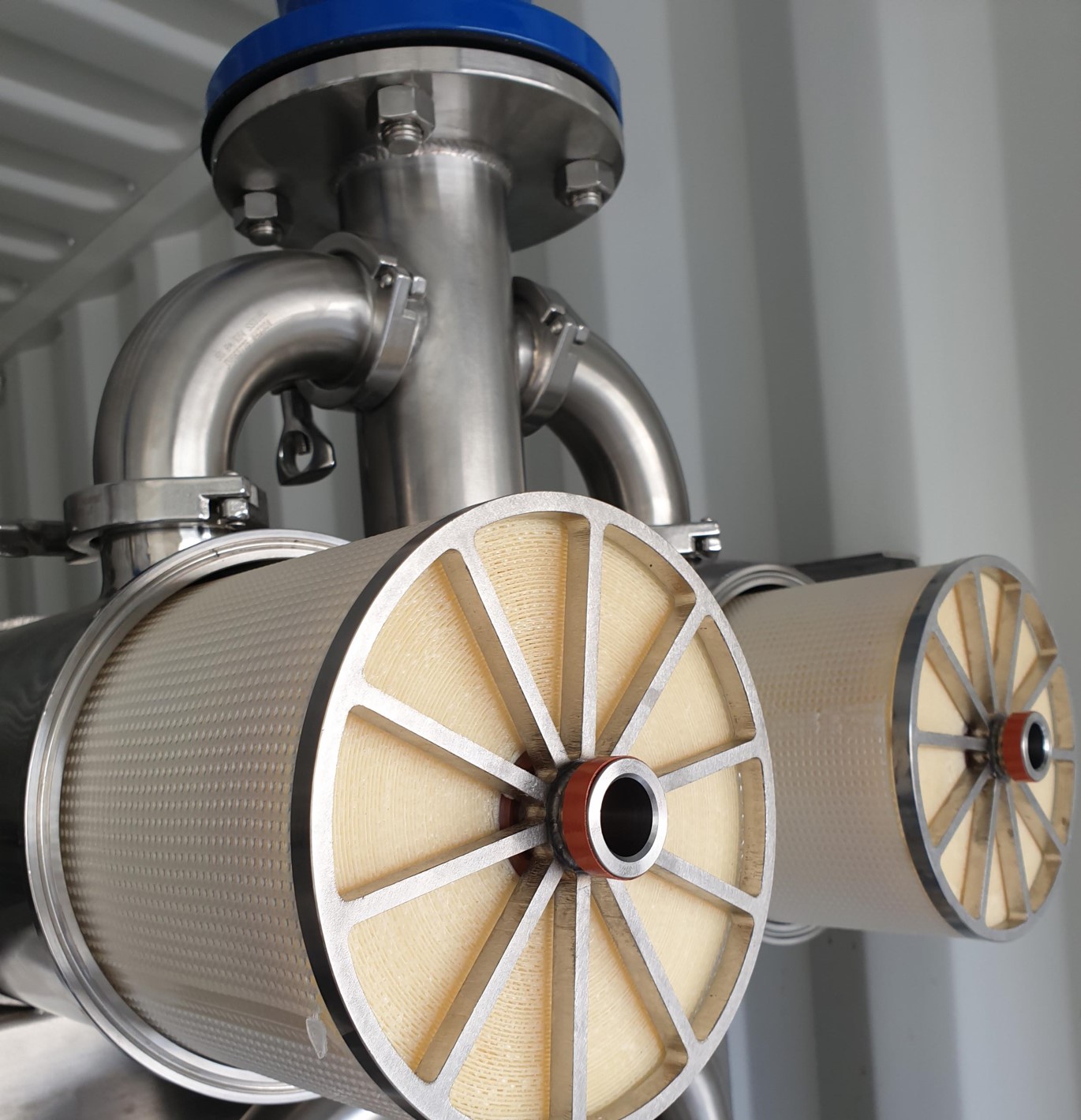
From the start, Hydroxsys received significant support via the Auckland innovation ecosystem, including the University of Auckland’s food engineering department. “Being based in Auckland has played a big role in our success,” says Boaz Habib. “It gives us easy access to talent and scientific expertise through our connection with the University of Auckland, which produces strong engineering and chemistry graduates, some of whom have joined the company. We’ve also benefited a lot through support from other early-stage companies and Auckland’s strong incubator environment. Auckland is also well-connected to other regional hubs, making it easy to test and deploy technology in a range of real-world settings.
“From a staffing perspective, our team is a bit of a mini–United Nations and Auckland’s lifestyle has been key in attracting talented people. The clean air, work-life balance, family-friendliness and easier pace of life in Auckland than many other international cities are a real differentiator. We’re committed to conquering the world from Auckland!”
Auckland is globally ambitious
With its values-driven innovation, deep talent pool, global connectivity and collaborative ecosystem, Tāmaki Makaurau Auckland is poised to lead in cleantech. From pioneering companies to emerging innovators, the region offers solutions the world needs – delivering commercial success while tackling some of the planet’s most urgent environmental challenges.
Footnotes
- Callaghan Innovation. (2024, October 23). Connecting Kiwi cleantech ventures with global opportunities.
- Callaghan Innovation. (2024, May 22). NZ CleanTech Mission: Making it happen for New Zealand.
- Callaghan Innovation. (2024, May 22). NZ CleanTech Mission: Making it happen for New Zealand.